For Laboratory Research Use Only
By RegisteredPeptides.com · June 2026 · 8 min read · Peptide Science / Synthesis Chemistry
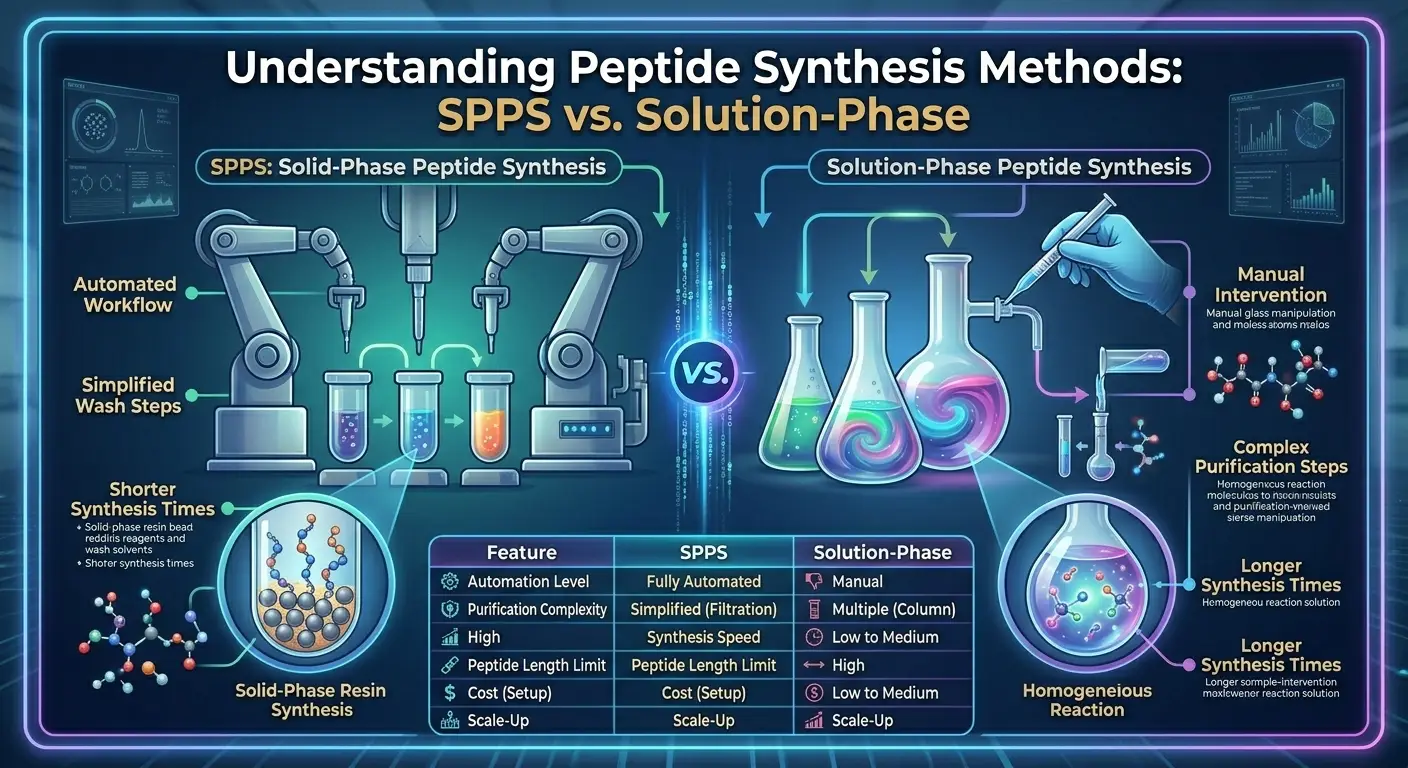
For researchers sourcing synthetic peptides, understanding how a compound was made is more than background knowledge — it directly informs expectations about purity, sequence fidelity, available modifications, and scalability. This post provides a technical overview of the two primary synthetic approaches: solid-phase peptide synthesis (SPPS) and solution-phase peptide synthesis, along with the trade-offs that matter most for research applications.
All chemical peptide synthesis, regardless of method, involves the sequential formation of amide (peptide) bonds between the carboxyl group of one amino acid and the amine group of the next. The core challenge is selectivity: amino acids contain multiple reactive functional groups, and uncontrolled coupling would produce a mixture of random sequences rather than the intended target.
Both SPPS and solution-phase synthesis address this by using protecting groups — chemical moieties that temporarily block reactive side chains and terminal amines or carboxyls — to ensure each coupling step occurs at the correct position. The strategies for applying and removing these protecting groups differ substantially between the two approaches.
SPPS, developed by Robert Bruce Merrifield in the 1960s (for which he received the 1984 Nobel Prize in Chemistry), is the dominant method for producing research-grade synthetic peptides today. The core principle is elegantly practical: the growing peptide chain is anchored to an insoluble solid resin support throughout the synthesis, allowing excess reagents and byproducts to be washed away at each step without isolating the intermediate product.
The SPPS workflow proceeds as follows:
Two main protecting group strategies are in common use:
SPPS limitations: Yield and purity decline with increasing sequence length; difficult sequences (high β-sheet propensity, aggregation-prone) can be challenging; resin-based synthesis generates significant solvent waste.
Solution-phase synthesis, the classical approach predating Merrifield’s innovation, assembles peptide sequences entirely in solution without a solid support. Each intermediate must be isolated and purified before the next coupling step — a labor-intensive process that severely limits throughput for longer sequences.
Despite its complexity, solution-phase synthesis retains relevance in specific contexts:
For sequences exceeding approximately 50 amino acids — beyond the reliable range of standard SPPS — researchers and manufacturers employ ligation strategies that join shorter, individually synthesized fragments:
Understanding the synthesis method underlying a research peptide helps set appropriate expectations:
When selecting peptides for your research, asking your supplier about the synthesis strategy used — particularly for longer, modified, or unusual sequences — is a reasonable quality assurance step. At RegisteredPeptides.com, we are transparent about the analytical methods used to characterize each product and provide CoA documentation with every order.
All products are intended for laboratory and analytical research purposes only.
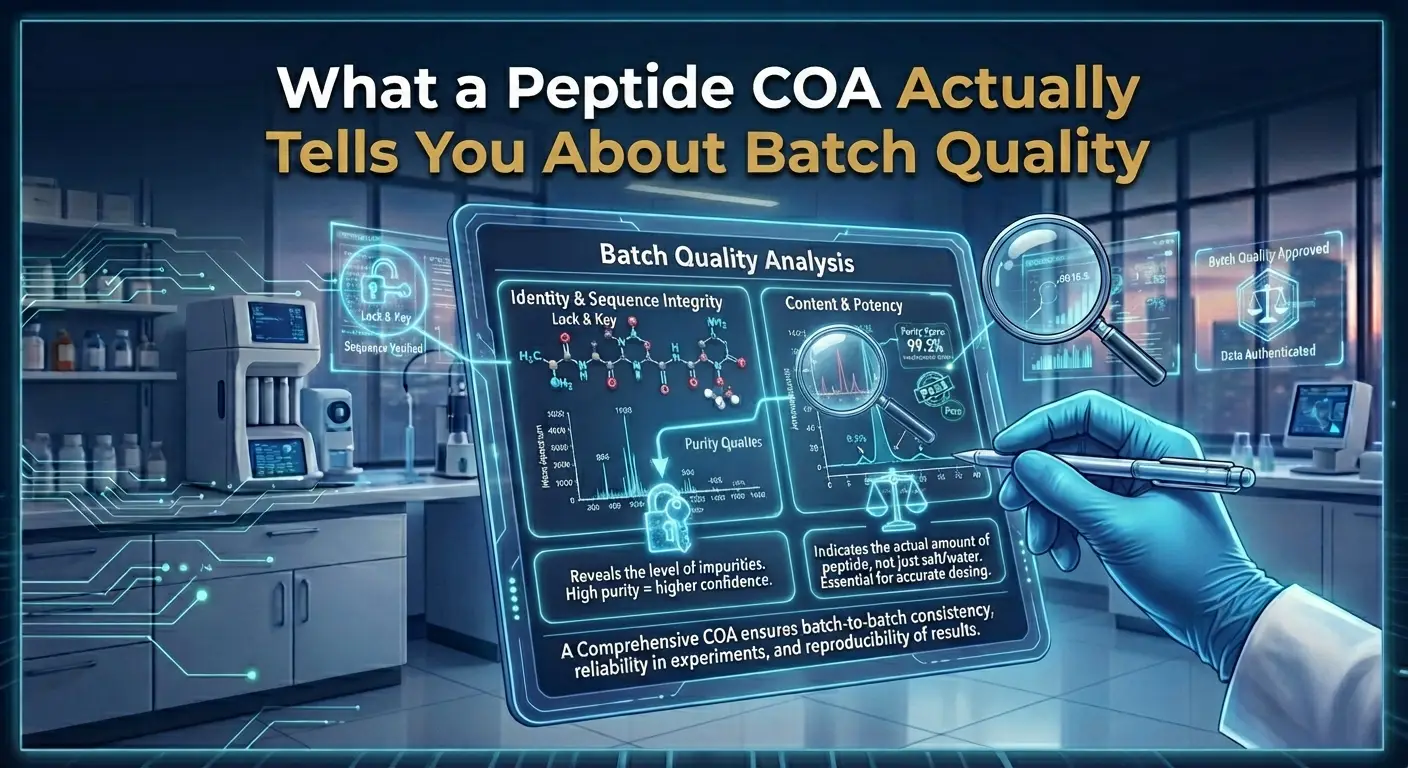
Lab & Compliance Notes For laboratory and research use only. Not for human or animal use. When you’re evaluating a
13 Jul 2026
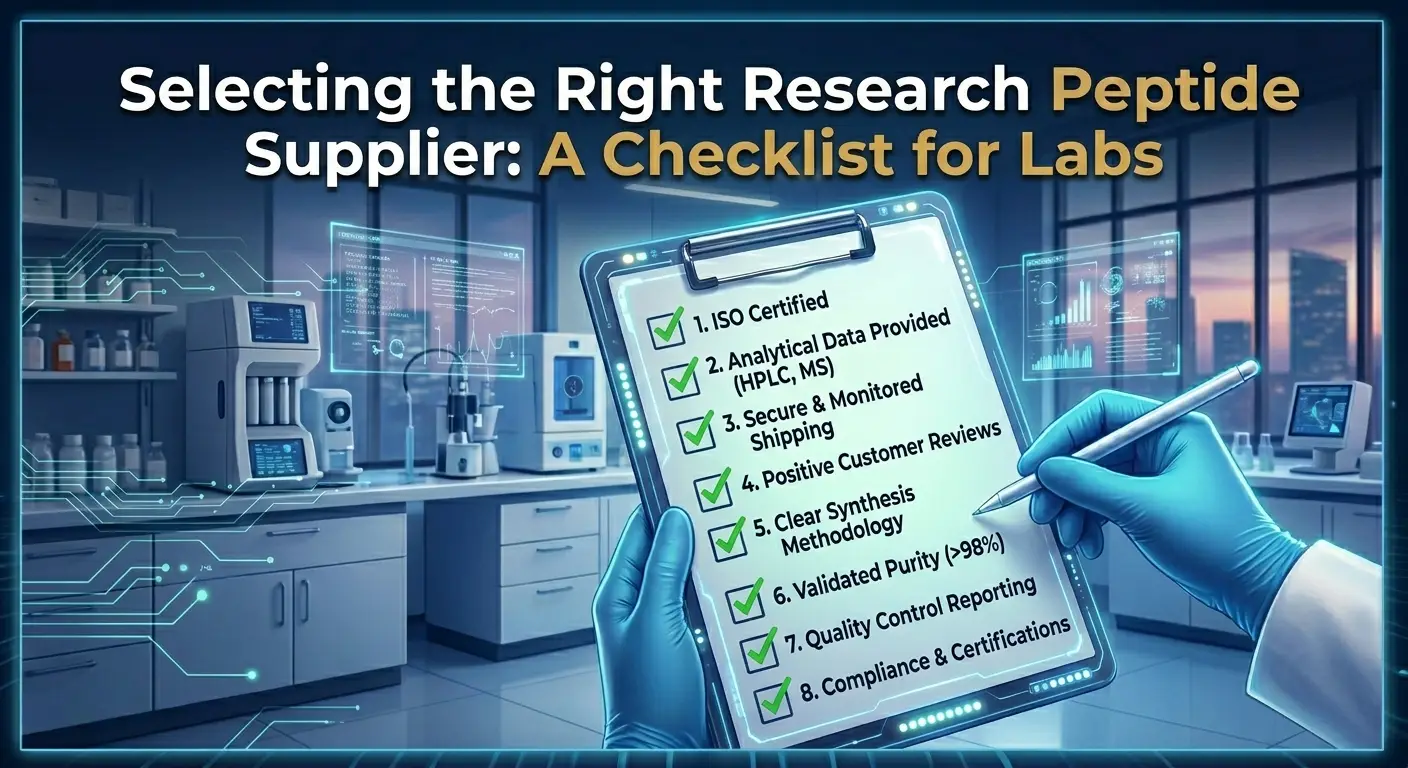
For Research Use Only. All content on RegisteredPeptides.com is intended for qualified researchers and licensed laboratory professionals. Products referenced are
18 Jun 2026
For Research Use Only. All content on RegisteredPeptides.com is intended for qualified researchers and licensed laboratory professionals. Products referenced are
18 Jun 2026
Please confirm your age before proceeding